Norma Supply Co.
Orea- #2 Regulator (Slowest)
Orea- #2 Regulator (Slowest)
Couldn't load pickup availability
FLOW REGULATION
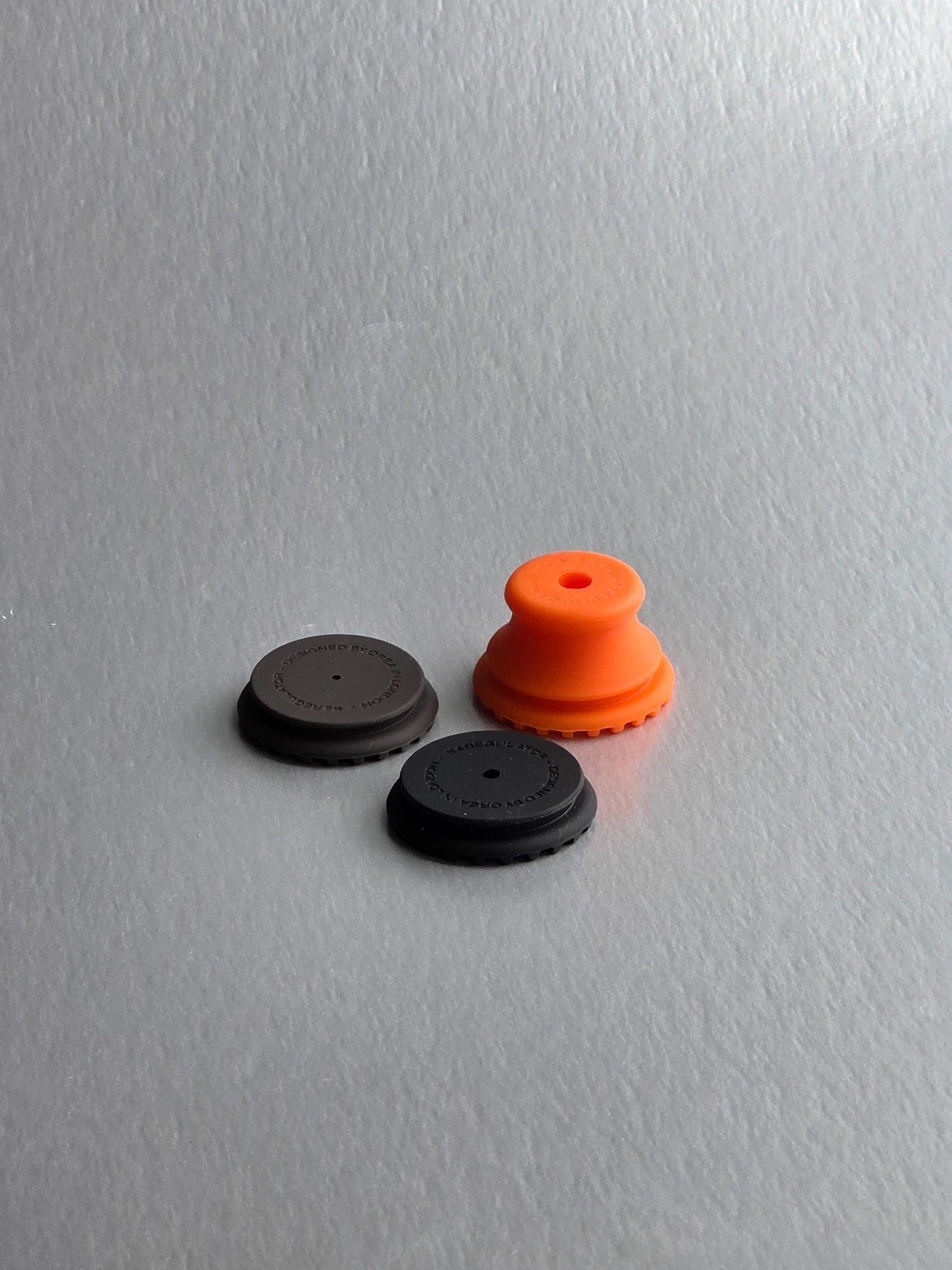
We are known for making the fastest brewers out there (within reason). The OREA V2 started a trend for "fast-flowing brewers", continued by the V3 and the V4 FAST. With this release, we don't look just at SPEED, rather we look at CONTROL. The regulators use the same design as our beloved V4 FAST base, with even contact points across the bed of the brewer and plenty of space for air and water to flow to ensure the brew never chokes/clogs/stalls. The difference from our V4 FAST is that each regulator has an intentional set max output flow rate - to let you control the contact time predictably.

WHY WE MADE THIS
Coffee should be fun - brewing should be for the curious. We love to tinker and experiment because coffee changes constantly. Every coffee is different. Due to where it's grown, the processing method, and how it's roasted - coffee can behave so differently when brewed. If our V4 explored flow patterns, this project explores flow regulation.

In the past few years a few (almost opposing) trends have accelerated:
1. The ultra-processed coffees (think "advanced process", "thermal shock", "co-fermented", etc) which tend to be incredibly soluble and easy to extract
2. The ultra-light roast movement often favours ultra-clean traditionally processed coffees that tend to be a lot less soluble and honestly very tricky to extract
3. The refinement of more developed roasts as ex-champions adapt and evolve the darker roasts into something more clean and sweet
Ah, coffee used to be so simple.
Alas - with these changes come new challenges. With this project, we wanted to make affordable extensions to our beloved O1/O2 series brewers to address some of these changes.
IS SLOWER BETTER?
We know many of you will instinctively see a photo and think - "this is slow". In fact, neither of these regulators (or any of our brewers) are slow. Traditionally, a slow brew resulted from clogging - not from the "size of the exit hole". In fact, many brewers with "large openings" will flow slowly, and unpredictably, despite the large opening - because they are designed to fail and clog. Our designs are so efficient that we need to make comically sized openings to limit their flow rates significantly. And no - this is not happening because of "bypass", it is achieved through efficient drainage.

Yes - each regulator will flow a bit slower than the other (#2 being the "slowest", #4 the "medium", and the #8 Switch regulator the "fastest") but this is by design. The MAXIMUM flow rate enforces a MINIMUM contact time and forces one to grind coarser to hit the same brew times as with our faster bottoms. This can be very beneficial in many scenarios. Importantly - neither is slow, they are just slower than each other at the same parameters. If you want 2 minutes of contact time, you can achieve it on all of them, and they can all taste delicious, for the right coffee.
Some examples:
1. The super-soluble fast-flowing hyper-processed coffees will benefit from coarser grind sizes at the same contact time. We would use "slower" regulators so we can grind coarser and hit 2-2:30 contact time for a super clean, balanced, brew. This way we avoid the "funk/ferment" intensity at finer grind sizes for these coffees.
2. The ultra-light roasts can often benefit from more contact time at the same grind size. Contact time through motion, friction is more beneficial in this case than contact time through immersion. In this case we would use a "slower" regulator to achieve longer contact times. This helps avoid those empty, grassy brews.
3. In more developed roasts, going coarser will always taste better. But they are also the most soluble coffees, and in other brewers, going coarser means not getting enough contact time. Using the regulators ensures a minimum contact time while letting you grind coarser, with a clean, balanced result.
Yes - you can achieve this with slower paper filters. However, when you make a filter slower, you are adding additional filtration. This will change more than the contact time, it will thin the brew, it will remove more of what you may love. Controlling the output flow rate via the brewing device makes a lot more sense (as we do not increase filtration), and works hand-in-hand with great paper. Of course, experiment with paper - but don't think that it gives you any control on contact time, as it introduces many other variables too.
WOW, THAT WAS A LOT
We know. Think of the regulators as training wheels. Super easy to brew with, making sure your brews don't run too fast, and letting you grind coarser in most instances while keeping the brew times you'd expect. This reduces the fault rate, makes brews more predictable, and more importantly - delicious.